Friendly note (not legal advice): Entry and customs rules can depend on your nationality, visa type, and what you’re carrying—and policies can change. Always confirm the latest requirements on official sources before you fly.
Helpful official starting points: K-ETA · e-Arrival Card · Korea Customs · MFDS (medicines)
1) Key Takeaways
Save this box 📌
- K-ETA and visa waiver rules depend on your nationality and can change—check official sources before travel.
- e-Arrival Card is an online entry declaration you can submit within 3 days before arrival (free): e-arrivalcard.go.kr
- Typical flow at ICN: Landing → Immigration → Baggage → Customs → Arrival hall.
- Cash declaration: If carrying over USD 10,000 (or equivalent) in total means of payment, you must declare (confirm details here): Korea Customs: Declaration of Foreign Currency
- When unsure about food or meds: declare it. It’s usually faster than explaining later.
2) K-ETA vs Visa Waiver: what they are, who typically needs what, and what to prepare
What is K-ETA?
K-ETA (Korea Electronic Travel Authorization) is an online travel authorization for many travelers entering Korea under visa-free arrangements.
Official site: k-eta.go.kr (watch out for look-alike sites).
What is “visa waiver” / “visa-free entry”?
A visa waiver means your passport may allow you to enter Korea without applying for a visa in advance (often for tourism/short business). The allowed stay length and conditions vary by nationality.
If your airline says you can’t board without a document, believe them—airlines enforce entry requirements.
Who typically needs what?
- Tourists (short stays): If your nationality is visa-free, you may need K-ETA unless there’s a temporary exemption for your passport. Check close to your travel date.
- International students (long stays): Studying usually requires a proper student visa arranged in advance (rules depend on your program and nationality). Don’t assume “visa-free” covers studying.
What to prepare (tourists + students)
- Passport (plus a phone photo/scan saved offline)
- Your first-night Korea address + contact phone/email
- Return/onward travel details (if applicable to your entry type)
- Students: admission letter/COA, program dates, dorm/lease address, and your school’s international office contact
3) Before You Fly Checklist (documents + phone/battery + screenshots)
Documents (digital + backup)
- Passport + offline photo/scan
- K-ETA approval (if you applied) or your visa paperwork (if you have a visa)
- e-Arrival Card details (if you submitted it): e-Arrival Card
- Hotel/dorm/Airbnb address in English + Korean
- Students: admission/COA + housing confirmation
Phone + battery (don’t skip this)
- Power bank (fully charged) + charging cable
- Offline screenshots: address, school info (students), flight details, any approvals
- Plan for data: roaming, eSIM activation, or SIM pickup on arrival
Pro tip: Save your address as a single screenshot that includes (1) name of place, (2) street address, (3) phone number. That solves 90% of “arrival stress.”
4) Incheon Arrival Step-by-Step: Landing → Immigration → Baggage → Customs → Arrival hall

Step 1: Landing → follow “Arrivals” signs
Incheon is well-signed. Move with the flow, and keep your passport and phone accessible.
Step 2: Entry declaration (paper or online)
Korea offers the e-Arrival Card (online entry declaration), which you can complete within 3 days before arrival on PC or mobile.
Official: e-arrivalcard.go.kr
Step 3: Immigration
Join the line for Foreign Passports unless you’re eligible for automated entry. Have a simple, consistent story: purpose, length of stay, and address.
Step 4: Baggage claim
Collect checked luggage. If a bag is missing or damaged, report it before leaving the baggage area.
Step 5: Customs (Green / Red)
Choose a lane:
- Green: nothing to declare
- Red / Goods to Declare: you are declaring items or you’re not sure
Step 6: Arrival hall
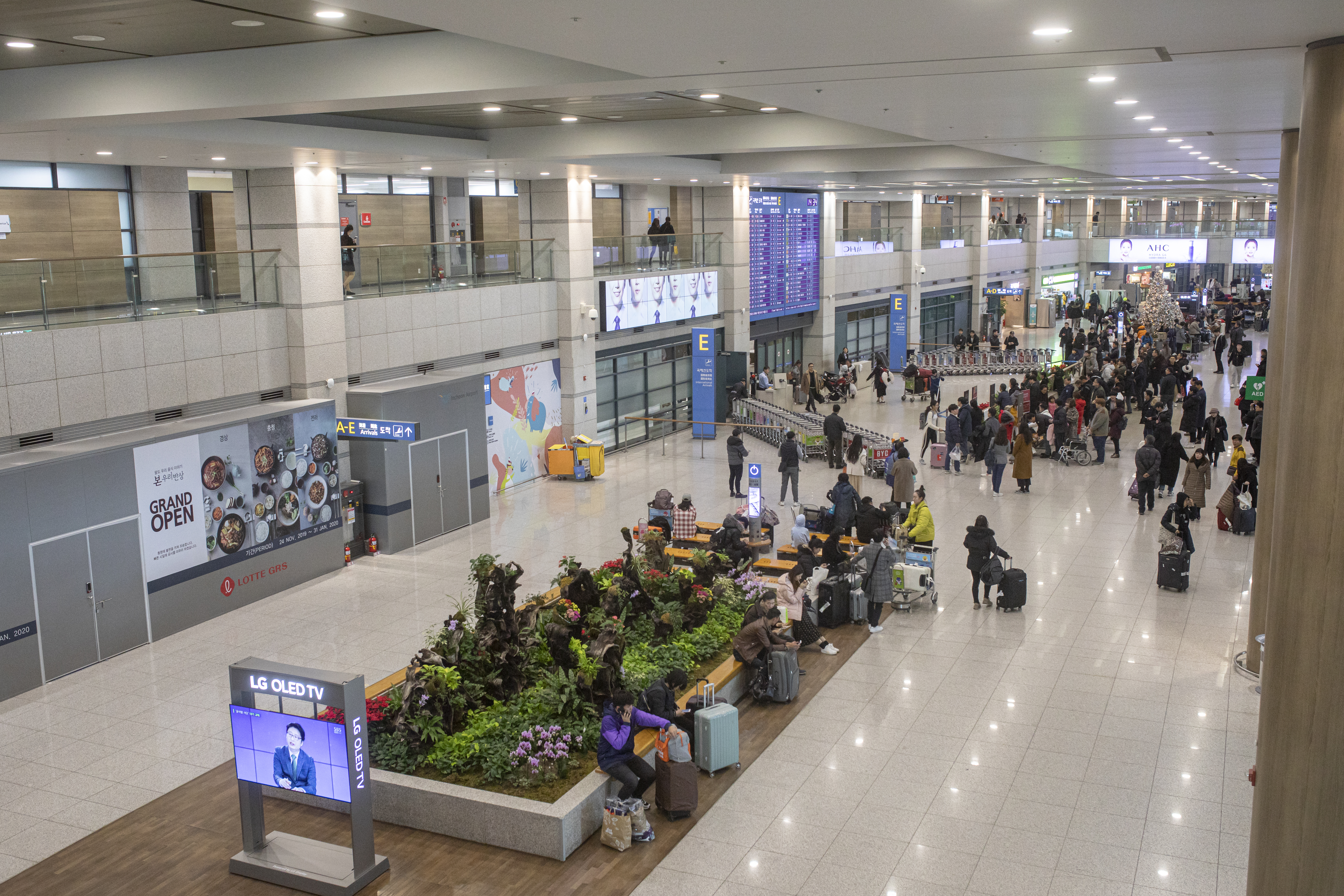
You’re through! This is where you’ll find SIM counters, trains/buses, taxis, and meeting points.

5) Immigration Interview Tips: common questions + how students should answer
Common questions (tourists)
- Why are you visiting Korea?
- How long will you stay?
- Where will you stay?
- Do you have a return/onward ticket?
- What do you do back home?
How to answer (calm, short, consistent)
Keep answers brief and match what you booked. If you don’t understand, it’s okay to say: “Sorry—could you repeat that?”
Students: what to say
Good student answer
“I’m entering to study at [School Name]. My program starts on [date]. I’ll live at [dorm/address].”
Have ready (offline)
- School name + address
- Housing address (first night)
- Admission/COA document
- International office contact
Avoid: vague answers like “I don’t know where I’m staying.” Even if it’s temporary, provide your first-night address.

6) Customs at ICN: Green/Red channels, declaration basics, what triggers extra screening
Green vs Red (simple rule)
If you have anything that might require declaration—use the “Goods to Declare” lane. Declaring is usually smoother than being stopped later.
What often triggers extra screening
- Food items (especially meat/dairy/fresh produce)
- Large duty-free or overseas purchases
- Medicines that may be restricted/controlled
- Inconsistent answers (travel purpose vs documents)
- Random checks
Helpful official references: Korea Customs: passenger belongings clearance
7) What You Can Bring (practical summary)
Cash / currency (when to declare)
Korea Customs states that if you carry more than USD 10,000 (or equivalent) in total means of payment, you must report it to Customs.
Official: Declaration of Foreign Currency
Food (what is risky; safer alternatives; declare when unsure)
“Food” is where many first-timers get surprised. Items involving animals/plants can trigger quarantine rules.
- Higher-risk: meat, dairy, eggs, fresh fruit/veg, seeds, plant products
- Often safer: factory-sealed packaged snacks with clear ingredient labels
- Best rule: if unsure, declare it and let officers decide
Medication / “drug import” concerns
Korea treats some medications as controlled substances. For certain narcotics/psychotropic medicines, travelers may need to apply for MFDS approval in advance.
- Keep meds in original packaging
- Carry a prescription copy and a short doctor’s letter
- If the medicine might be controlled: confirm requirements and apply early
Official MFDS page: Self Treatment Narcotics Bring in Permit
8) Common Mistakes & How to Avoid Them
- Not knowing your Korea address. Save it offline (English + Korean).
- Assuming visa-free entry covers studying. Students should follow the student visa route your school confirms.
- Packing “just snacks” that include restricted animal/plant ingredients. When in doubt, declare.
- Bringing controlled meds without documentation/approval. Check MFDS and prepare paperwork.
- Letting your phone die before immigration. Power bank = peace.
9) FAQ (Tourists + International Students)
1) Do I need K-ETA?
It depends on your nationality and current rules (including temporary exemptions). Verify on the official site: k-eta.go.kr.
2) If my country is visa-free, can I study without a student visa?
Usually, no. Visa-free entry is typically for short visits (tourism/short business). If you’re arriving to study, follow your school’s guidance and official visa requirements for your nationality.
3) What is the e-Arrival Card?
It’s Korea’s online entry declaration system. You can submit it within 3 days before arrival at e-arrivalcard.go.kr.
4) Do I still need the e-Arrival Card if I have K-ETA or a residence card?
Some travelers may be exempt depending on what they hold. Use the official eligibility checker on the e-Arrival Card site.
5) What address should I provide on arrival?
Your first confirmed address in Korea (hotel/dorm/Airbnb). Students: dorm address is ideal.
6) What questions will immigration ask?
Usually: purpose of visit, length of stay, where you’re staying, return/onward plans, and basic background. Keep answers short and consistent.
7) Students: what documents should I keep handy?
Admission/COA, program dates, housing address, and your international office contact—saved offline as screenshots.
8) How much cash can I bring? When must I declare?
If you carry more than USD 10,000 (or equivalent) in total means of payment, you must report it to Customs. See: Korea Customs guidance.
9) Can I bring snacks/food?
Packaged snacks are often easier, but anything involving animal/plant ingredients can trigger quarantine checks. If unsure, declare.
10) Can I bring instant noodles?
Often yes if commercially packaged, but ingredients matter (especially meat-based components). When unsure, declare and let officers decide.
11) Can I bring prescription medication?
Often yes, but some medicines may be controlled. Keep original packaging plus prescription/doctor documentation. For certain controlled substances, MFDS approval may be required: MFDS permit info.
12) What about ADHD meds, stimulants, strong painkillers, or sleeping pills?
These can fall under controlled categories. Don’t guess—confirm via MFDS and carry the right documentation/approval before travel.
13) Vitamins and supplements—okay?
Common vitamins are usually fine in normal personal amounts, but bring them in original containers. If you’re carrying unusually large quantities or uncommon extracts, declare to be safe.
14) E-cigarettes / vapes / liquid nicotine—can I bring them?
Rules and allowances can change and may depend on quantity/type. If you’re carrying vapes or large quantities of related products, check Korea Customs guidance before travel and declare if unsure.
15) Duty-free purchases: do I need to declare?
If your purchases exceed current duty-free limits or include restricted items, you must declare. Limits vary and can change—check official Korea Customs info close to your trip.
16) Is it “bad” to declare something when I’m not sure?
No—declaring when unsure is often the safest and fastest option.
10) Quick “Day 1 at Incheon” tips (SIM/eSIM, T-money, AREX vs taxi)
SIM / eSIM
If you need data immediately, plan ahead: activate an eSIM before landing or buy/pick up a SIM at the arrival hall counters.
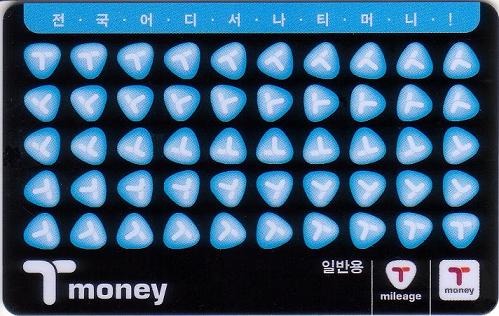
T-money card
Pick up a T-money transit card early—very convenient for subways and buses, and it makes your first day smoother.

AREX vs taxi
- AREX train: predictable, straightforward, great for Seoul-bound travelers who want speed and simplicity.
- Taxi: easiest with heavy luggage, late-night arrivals, or direct-to-door convenience. Follow official taxi signage and use the queue.
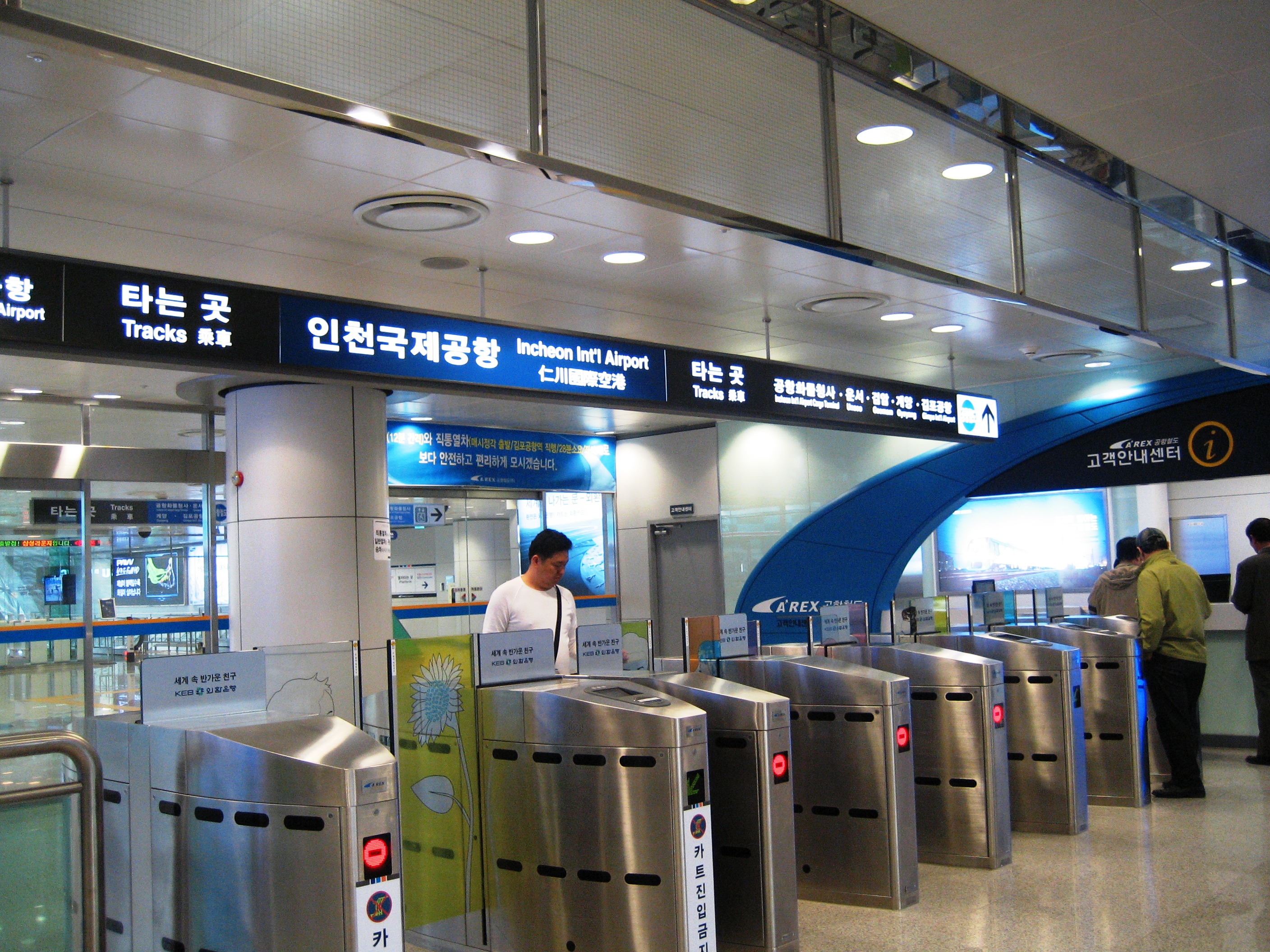
Final tip: Don’t overthink it. If you’ve got your address, phone power, and basic documents ready, Incheon is one of the smoothest major airports to arrive through.
Bookmark this, and share with a friend/classmate.
